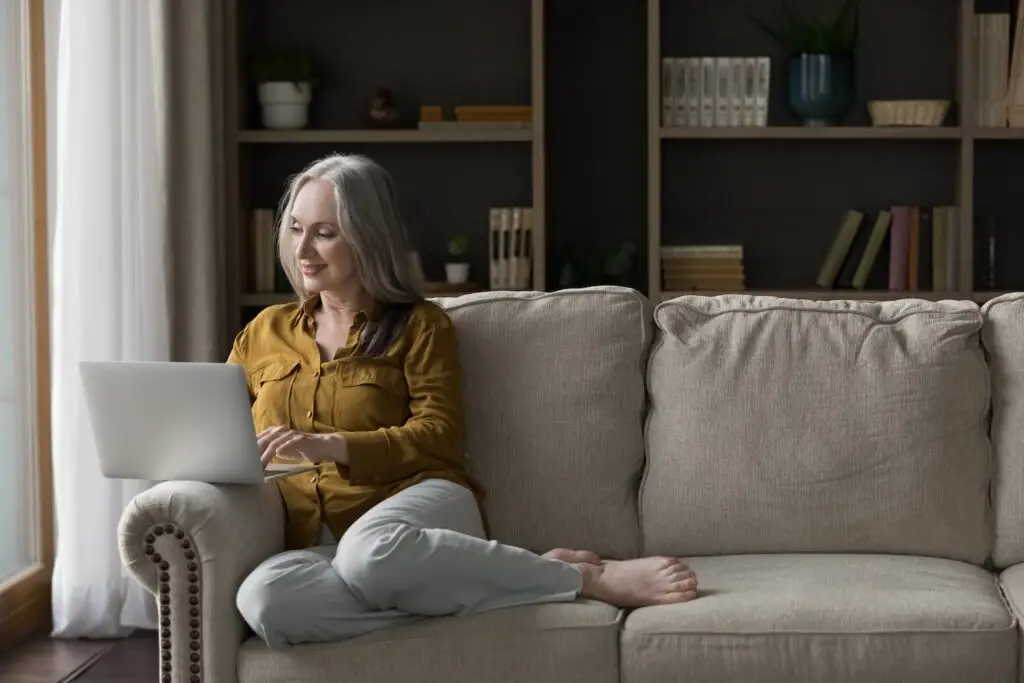
Healthcare does not always fit neatly into a 9–5 schedule or into a waiting room chair. Life happens. Symptoms pop up at inconvenient times. Kids get sick, workdays run long, and sometimes the idea of driving across Denver, finding parking, and sitting in a crowded office just feels overwhelming.
So, the question many patients ask is simple: Is telehealth as good as an in-office appointment?
The honest answer is yes and no.
More importantly, it depends on you, your needs, and the provider caring for you.
As a Denver-based nurse practitioner providing both telehealth and in-person care from my office in Denver, I do not believe healthcare is one-size-fits-all. Nevertheless, my office is a virtual facility. If that’s taught me anything, it’s that quality care comes from a strong patient-provider relationship, not necessarily the location.
Why Telehealth Works (And Works Well)
A large portion of medical decision-making comes from one thing: your story.
Your symptoms, when they started, what makes them better or worse, your medical history, stress levels, sleep patterns, and medications all matter. Often, this detailed conversation provides significant insight into what is going on. A thoughtful, unrushed video visit can guide your next steps just as effectively as many in-person appointments.
Through telehealth visits, I can:
- Evaluate symptoms through a comprehensive history
- Diagnose and treat many acute and chronic conditions
- Prescribe medications when appropriate
- Order lab work and imaging
- Coordinate referrals to specialists and physical therapy
- Arrange at-home sleep studies
If you have ever felt rushed through an in-person visit, barely finishing a sentence before the provider is already reaching for the door, you know that simply being physically present does not automatically mean better care.
Quality healthcare comes down to the provider. More than that, it comes down to being heard. When you see a nurse practitioner, are they listening with intent and understanding, or are they going through the motions, anxiously trying to shift you through the schedule?
When Telehealth Is the Right Choice
Telehealth is an excellent option when you don’t have time for an in-office visit or can’t get a timely appointment to deal with a non-urgent concern. That’s especially true if you’re looking to meet with a caretaker who knows your history. Telehealth visits fit into your day rather than disrupting it.
Best of all, the list of problems that can be resolved with telehealth visits is a long one. It includes, but isn’t limited to:
- Annual physicals and wellness exams including blood work
- Thyroid management
- Weight loss
- Birth control management
- Lab work requests
- Sleep disorder testing
- Perimenopausal hormone management
- Mental healthcare for depression, anxiety, insomnia, and others
- Visits for illnesses such as influenza, sinus infections, and UTIs
- Chronic disease management like prediabetes, migraines, asthma, and allergies
Truth be told, the list of what telehealth can’t do is the short one, and it’s getting shorter every year. From my perspective, it’s the future of healthcare, giving patients the freedom and flexibility to fit wellness into their busy schedules. My patients know they can take appointment and follow-up calls anywhere, as long as they’re in my state and not behind the wheel of a moving car.
The Real Limitations of Telehealth
Telehealth is not perfect, and it is important to be honest about that.
Some services truly require hands-on care, including:
- Pap smears and pelvic exams
- In-person swabs or cultures
- Heart abnormalities like fibs and murmurs
- Urgent care situations needing same-day blood work or imaging
- Complex medical cases like heart failure, seizures, or conditions difficult to treat with medication
Patients who are unable or unwilling to provide requested information, such as medical records, or patients who lack the tech skills to navigate web browsers and phone apps, will struggle with telehealth.
If you’re ever unsure about which option is the right one, feel free to ask me. I’m always transparent with my patients.
When to Go Straight to Urgent Care or the ER
There are times when primary care should be skipped entirely. Please seek immediate, in-person care if you are experiencing:
- Chest pain
- Significant shortness of breath
- Suicidal thoughts or severe mental health distress
- Trauma or serious injury
- Procedural needs such as stitches or wound care
In a situation like this, your life is at stake, and we don’t have time to split hairs over when, where, and how your needs are met. Still, notifying and following up with your primary care physician should be done as soon as possible.
Going the Telehealth Way
I often think of healthcare the way I think about sunsets. It’s nice to be able to see one outside, fully immersed, watching every color shift across the Colorado sky. Most of the time, however, we’ll be watching through a window. The sunset on the other side of the glass is no less beautiful and no less worth watching.
The same is true for healthcare.
As time goes on, most of your healthcare will come from the other side of a glass pane. Quality telehealth ensures that such care is no less quality and comprehensive.
At the end of the day, what matters most isn’t location. Quality healthcare, in-person or remote, ensures you feel heard and supported. Good medicine, like a beautiful Colorado sunset, will do just that.