Summer is usually the best time of year to fill your plate with colorful fruits and vegetables. Produce is in season, bursting with flavor, often less expensive, and packed with nutrients that support everything from your immune system to healthy aging.
This summer, however, many people are wondering if it’s still safe to enjoy their favorite berries and salads.
The reason? The ongoing Cyclospora outbreak affecting fresh produce across the United States.
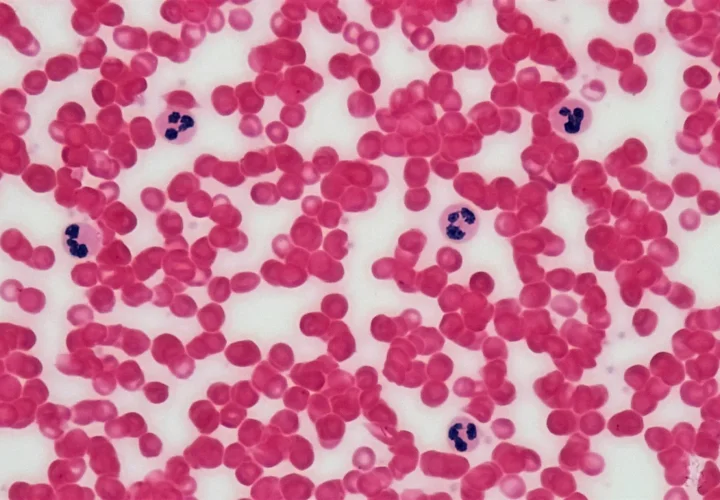
Cyclospora is a microscopic parasite that spreads through contaminated food or water, causing an intestinal illness known as cyclosporiasis. This infection can trigger weeks of severe diarrhea, nausea, abdominal cramping, fatigue, and dehydration. What makes this year’s outbreak especially frustrating is that investigators have not identified a single contaminated source, making it difficult to know exactly which foods to avoid.
The good news is that you don’t have to choose between protecting yourself and eating a nutrient-dense diet. A few simple swaps can help you continue getting the antioxidants, vitamins, and plant compounds your body needs while this outbreak is investigated.
Why Summer Produce Is Worth Protecting
One of the greatest health benefits of summer is the abundance of fresh produce. Berries, leafy greens, herbs, tomatoes, and colorful vegetables provide vitamin C, folate, fiber, and thousands of beneficial plant compounds that help reduce inflammation, protect our cells from oxidative stress, and support a healthy gut microbiome.
Many of these foods are enjoyed raw, which helps preserve heat-sensitive nutrients like vitamin C and folate. Unfortunately, many are also the same foods that have historically been linked to Cyclospora outbreaks.
Rather than eliminating produce altogether, I recommend making a few temporary substitutions that allow you to keep your nutrient intake high without missing out on the best parts of summer.
Swap Fresh Berries for Frozen
If there’s one group of foods I’d be more selective with right now, it’s fresh raspberries and blackberries. Their tiny hairs and textured surfaces make them much harder to clean thoroughly than smoother fruits.
Fortunately, frozen berries are an excellent alternative. They’re picked at peak ripeness, retain most of their nutritional value, and research suggests freezing may significantly reduce Cyclospora viability.
Blend them into smoothies, stir them into yogurt, or warm them over oatmeal for an easy antioxidant boost.
You can also diversify your polyphenol intake by reaching for foods that aren’t affected by the current outbreak. Extra virgin olive oil is one of the richest dietary sources of protective plant compounds, while hibiscus tea provides anthocyanins—the same family of antioxidants responsible for the deep reds and blues found in many berries.
Trade Raw Salads for Warm Greens
Bagged lettuce, mixed greens, fresh cilantro, and other leafy vegetables eaten raw have frequently been associated with previous Cyclospora outbreaks.
That doesn’t mean you have to give up your greens.
Instead, consider switching to vegetables that are typically cooked, such as broccoli, Brussels sprouts, asparagus, or green beans. Lightly steaming these vegetables preserves much of their nutritional value while adding an extra layer of food safety.
If you’re looking to add more chlorophyll-rich foods, sea vegetables like nori or kombu are excellent options, and home-grown microgreens can provide fresh greens without relying on the commercial produce supply chain.
Don’t Be Afraid to Cook Your Vegetables
Many people assume raw vegetables are always the healthiest choice, but that’s not necessarily true.
Cyclospora is destroyed by heat, and gentle cooking methods such as steaming, microwaving, or sous-vide cooking preserve most of the vitamins, minerals, and beneficial plant compounds found in vegetables.
In fact, cooking actually improves the absorption of certain nutrients. Lycopene in tomatoes and carotenoids in carrots become easier for your body to use after cooking, reminding us that “healthy” doesn’t always mean “raw.”
Whenever possible, choose steaming over boiling, since boiling allows more water-soluble vitamins to escape into the cooking water.
The Bottom Line
The current Cyclospora outbreak has understandably made many people hesitant to buy fresh produce. But avoiding fruits and vegetables altogether isn’t the answer.
Instead, focus on making thoughtful substitutions until the outbreak is under control. Frozen berries can replace fresh ones, cooked vegetables can stand in for raw salads, and foods like extra virgin olive oil, hibiscus tea, sea vegetables, and home-grown microgreens can help keep your antioxidant intake high.
Small changes like these allow you to continue nourishing your body while reducing unnecessary risk—a practical approach that supports both food safety and long-term health.
Coming Next: In Part 2, we’ll look at why rinsing your produce with water, vinegar, or commercial vegetable washes isn’t enough to eliminate Cyclospora—and what you should do instead.
Disclaimer: This post is for educational purposes only and does not constitute direct medical advice. Always consult your healthcare provider regarding personal symptoms.
Want practical, science-backed nutrition advice without the overwhelm? At Wible Wellness, I help patients create realistic strategies that support long-term health through functional medicine and personalized care. If you’re ready to take a proactive approach to your health, schedule a consultation today.

Enjoying these articles?
Stay up to date with the latest evidence-based wellness tips, functional medicine insights, hormone health education, and practical strategies to help you feel your best. Join the Wible Wellness email list and be the first to know when new blog posts are published.
Enter your email below to subscribe.